

BBQ - Porcini Mushroom Meatballs
Juicy meatballs made from a mixture of ground meat and grilled porcini mushrooms, which are first seared on the grill and then finished cooking in a clay pot with porcini...
MONOLITH GRILL |
OUT NOW! Learn all about the new MONOLITH smartCONTROL —the ultimate BBQ controller!
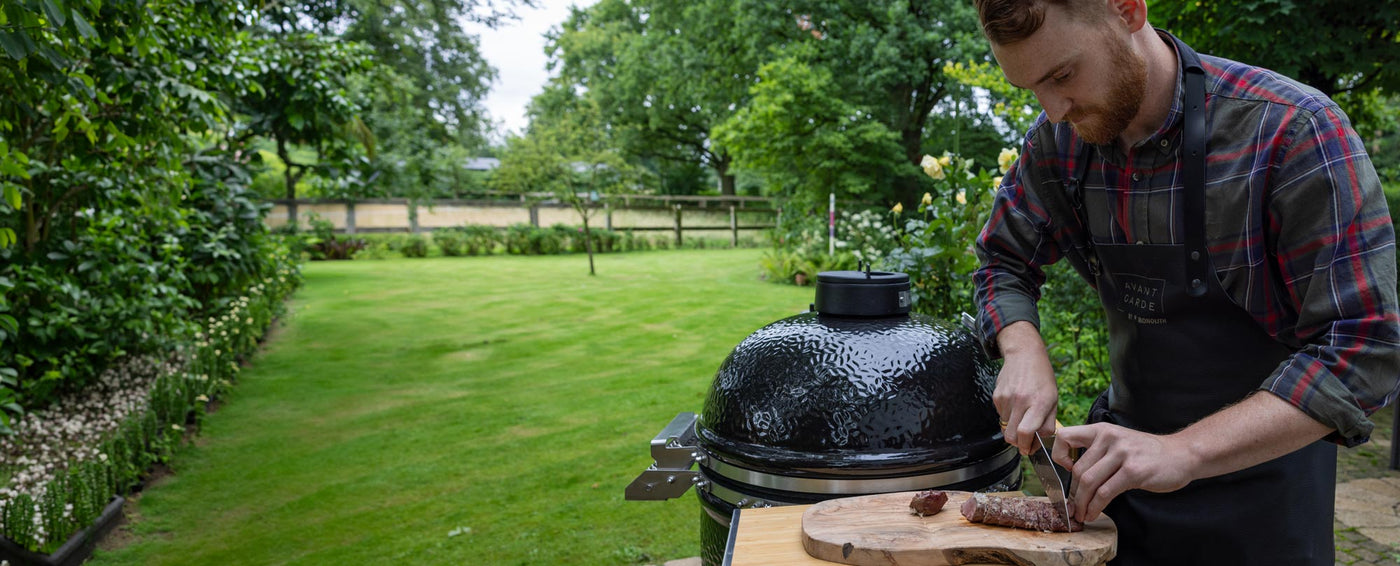
Juicy meatballs made from a mixture of ground meat and grilled porcini mushrooms, which are first seared on the grill and then finished cooking in a clay pot with porcini...
MONOLITH GRILL |

Tender salmon, savory ham, and a creamy sauce with a fresh citrus note. A delicious grilled dish straight from the MONOLITH Kamado Grill.
MONOLITH GRILL |

A truly authentic Mallorcan specialty—paella! And this one, made according to the original recipe from the Mallorca Food Club using the MONOLITH Kamado Grill—an extraordinary taste experience!
MONOLITH GRILL |

Lamb Köfte—with melted cherry tomatoes and chilled yogurt, cooked on the MONOLITH Kamado Grill fire plate.
MONOLITH GRILL |

Pluma Iberica — Iberico pork tenderloin on grilled lettuce hearts, with almond aioli and pomegranate seeds, cooked on the MONOLITH Kamado Grill.
MONOLITH GRILL |

Ribs, ribs, ribs—but this time, they’re completely different, with a special Mediterranean flair, perfectly prepared on the MONOLITH ceramic grill. You’ve never experienced ribs like this before!
MONOLITH GRILL |

Grilled open-faced sandwich—that sounds extraordinary! Combine classic Mediterranean flavors with a simple yet effective grilling technique to create a special dish using your MONOLITH ceramic grill!
MONOLITH GRILL |

You've never had shrimp from your Kamado grill like this before—a special recipe from the Mallorca Food Club and MONOLITH Kamado Grill.
MONOLITH GRILL |